Story Behind It
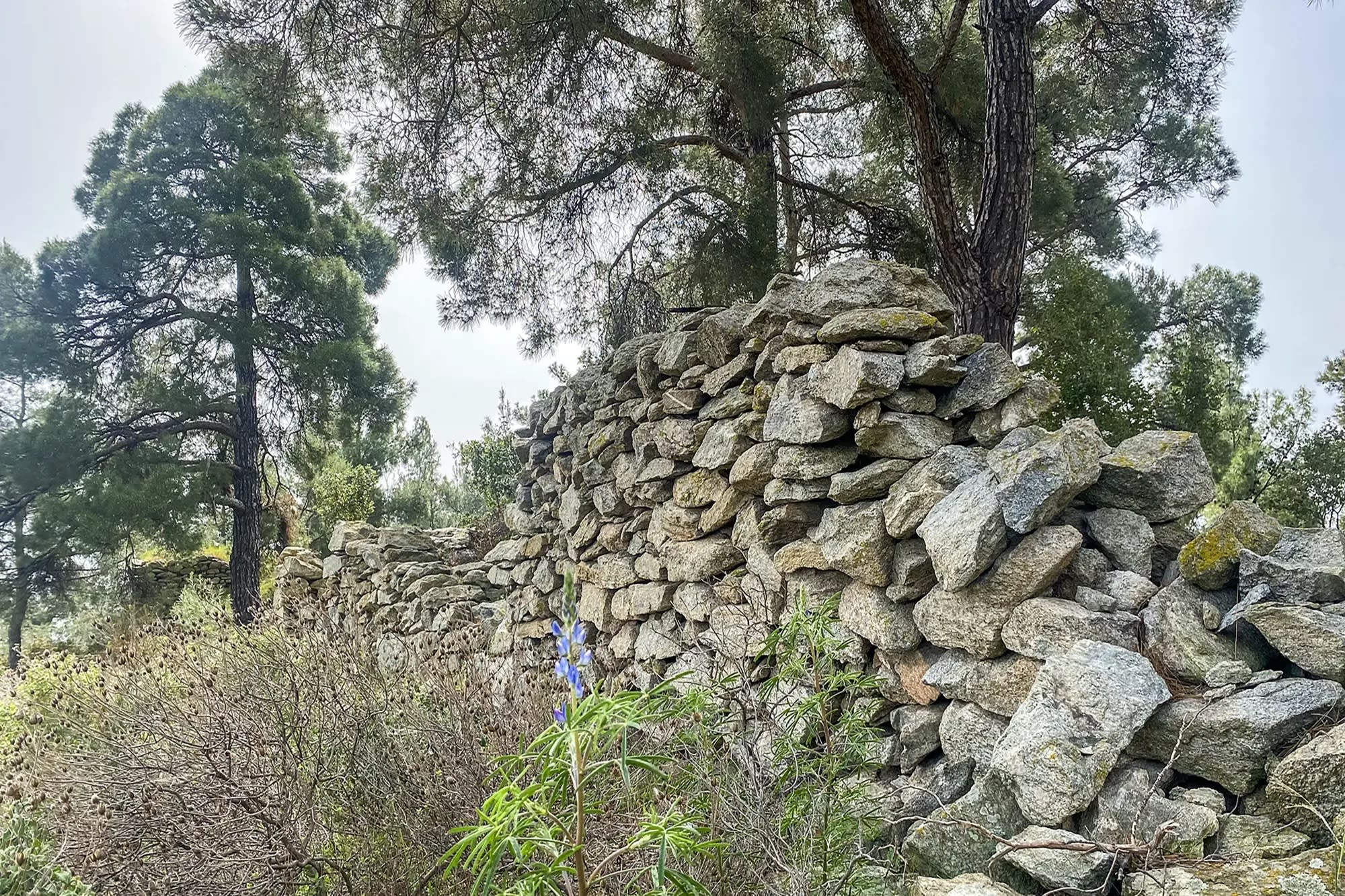
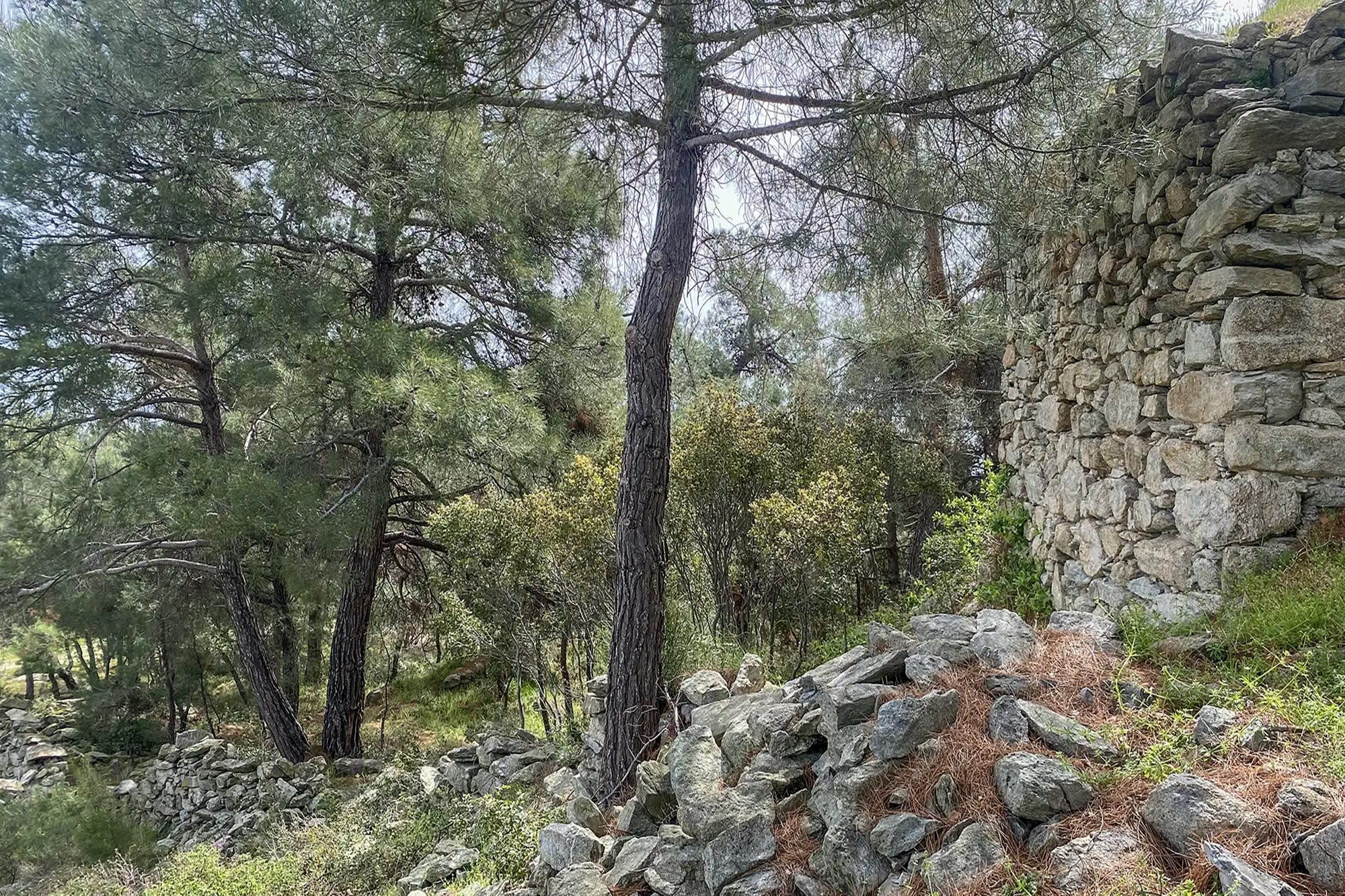
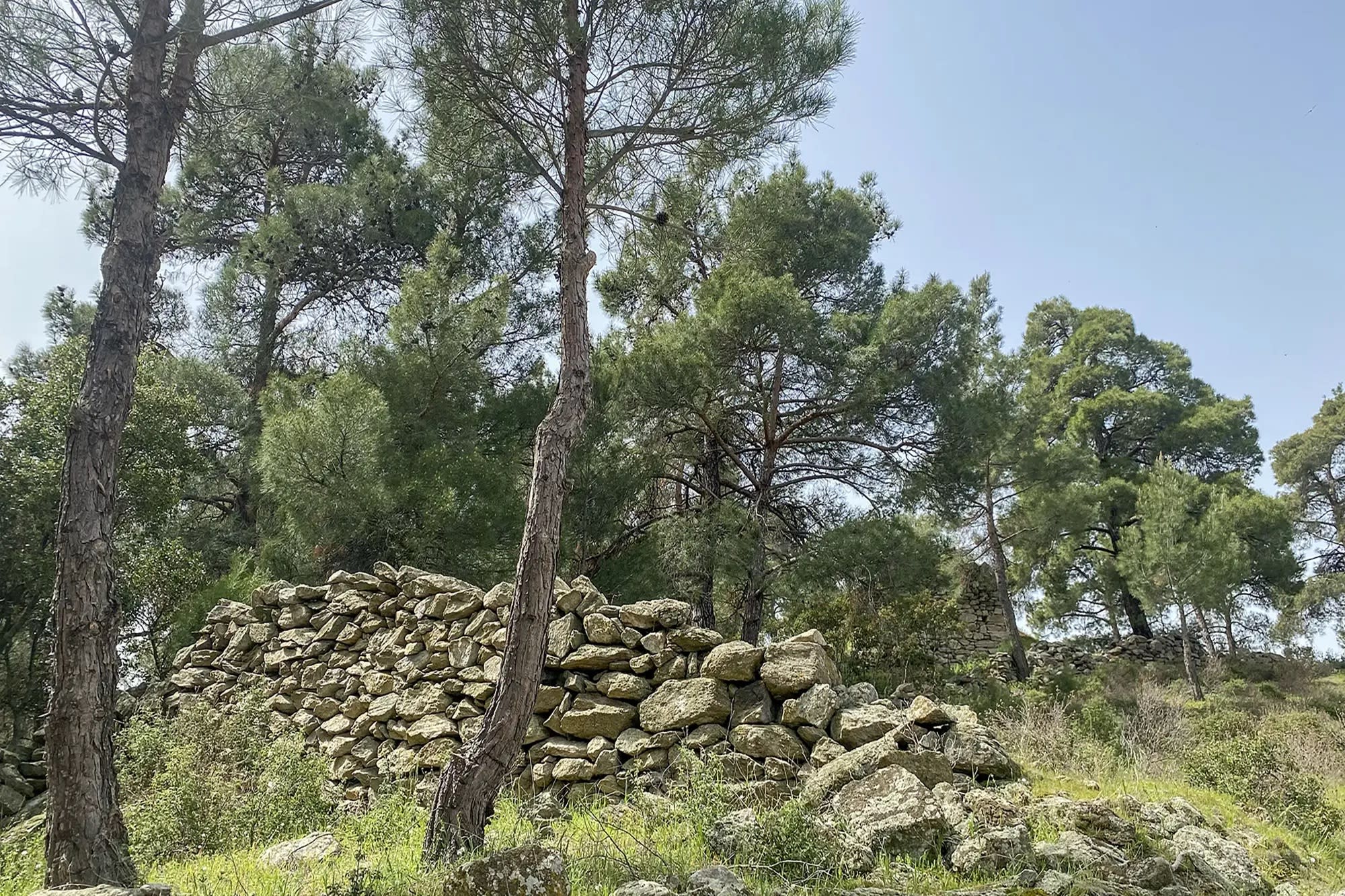
The Long Walls of Kavala were built in 1307 by Emperor Andronikos II Palaiologos as a move of strategic desperation. The catalyst was the "Catalan Revenge": the Catalan Company, a corps of hardened mercenaries, after plundering Thrace, attempted to capture Christoupolis in 1306 but failed. Andronikos, recognizing the danger, ordered the immediate construction of the cross-wall to seal the strategic passage between Macedonia and Thrace.
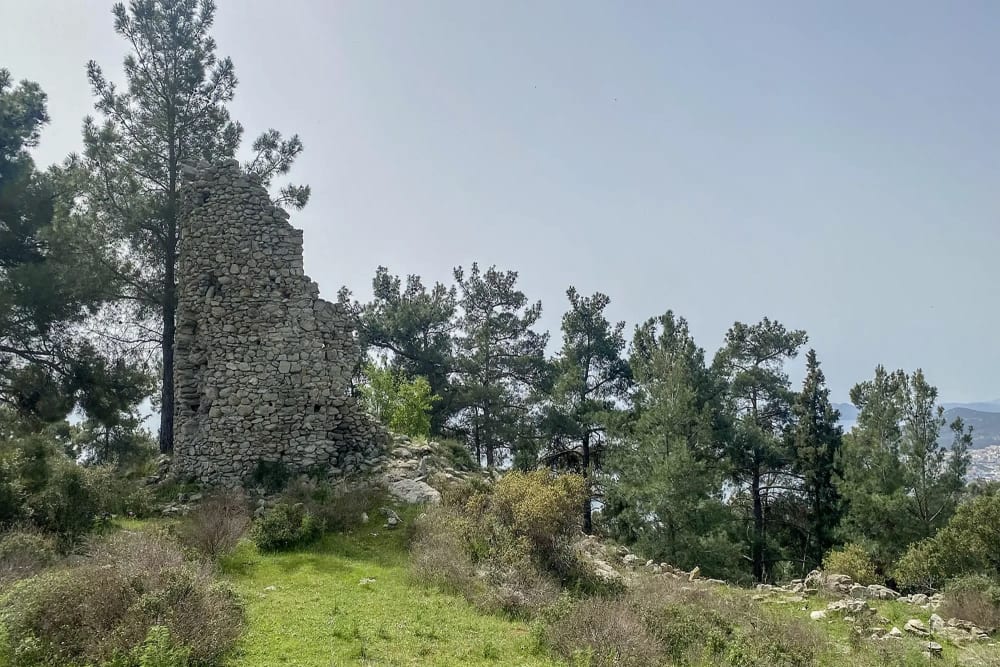
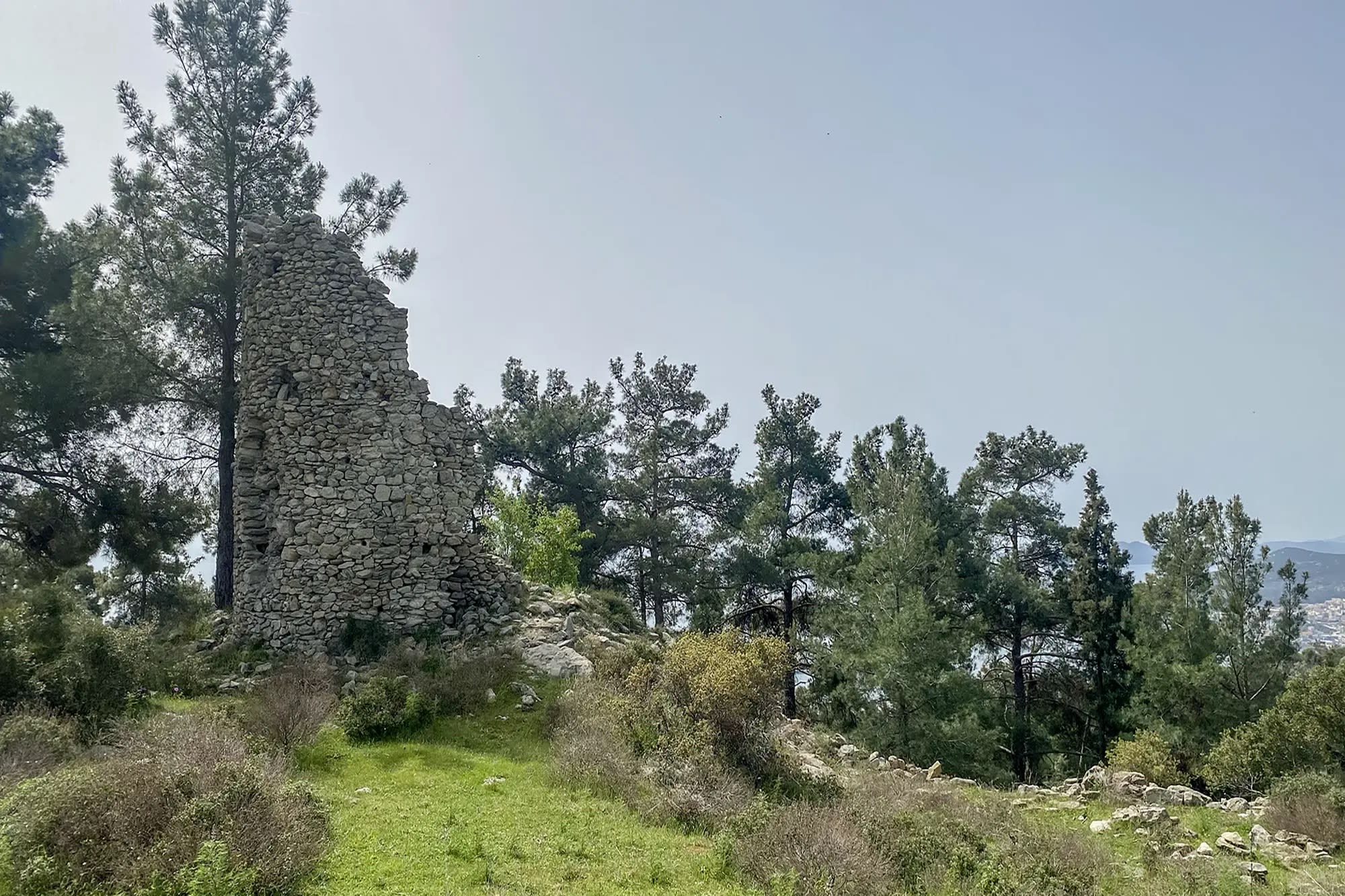
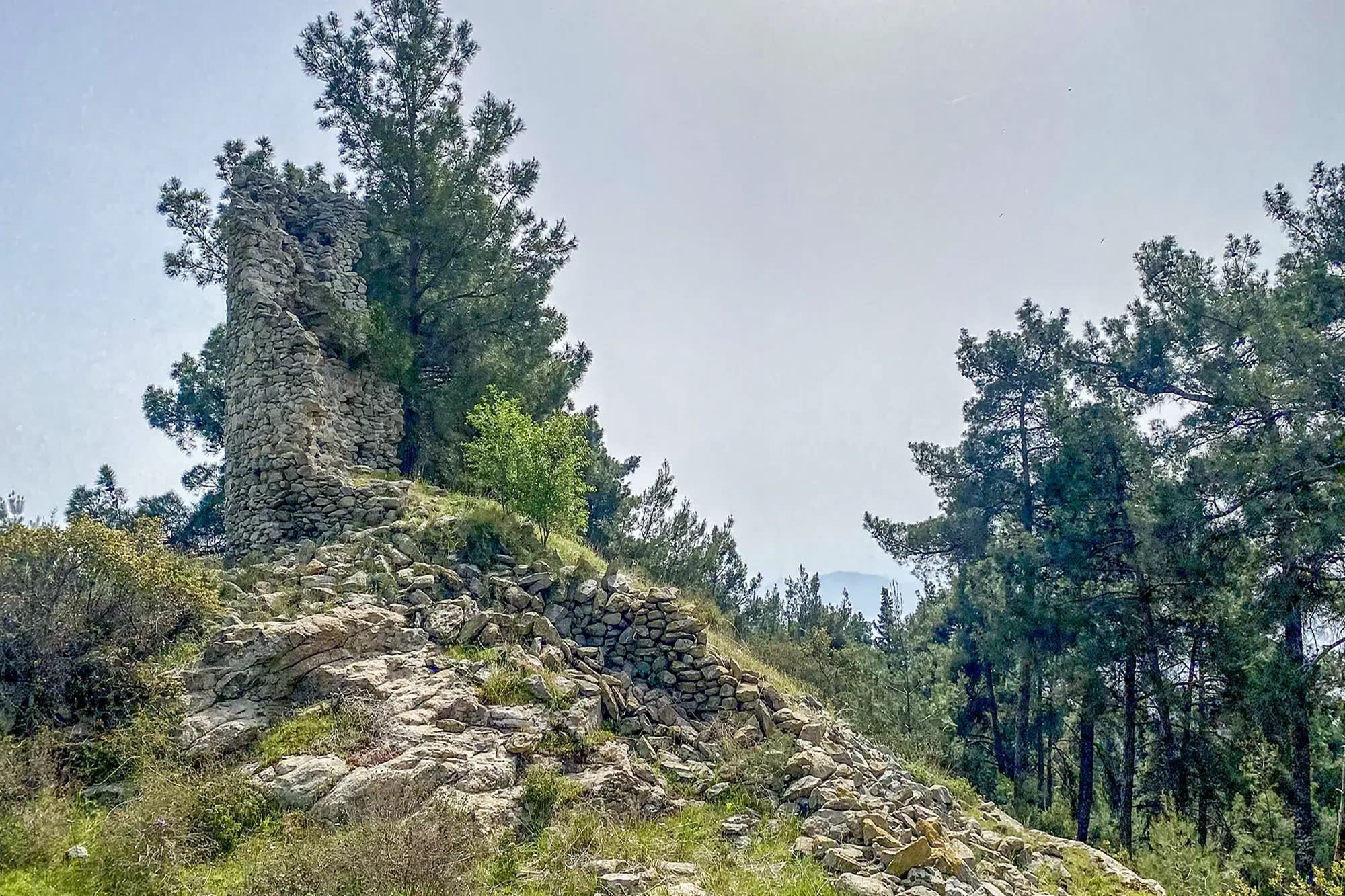
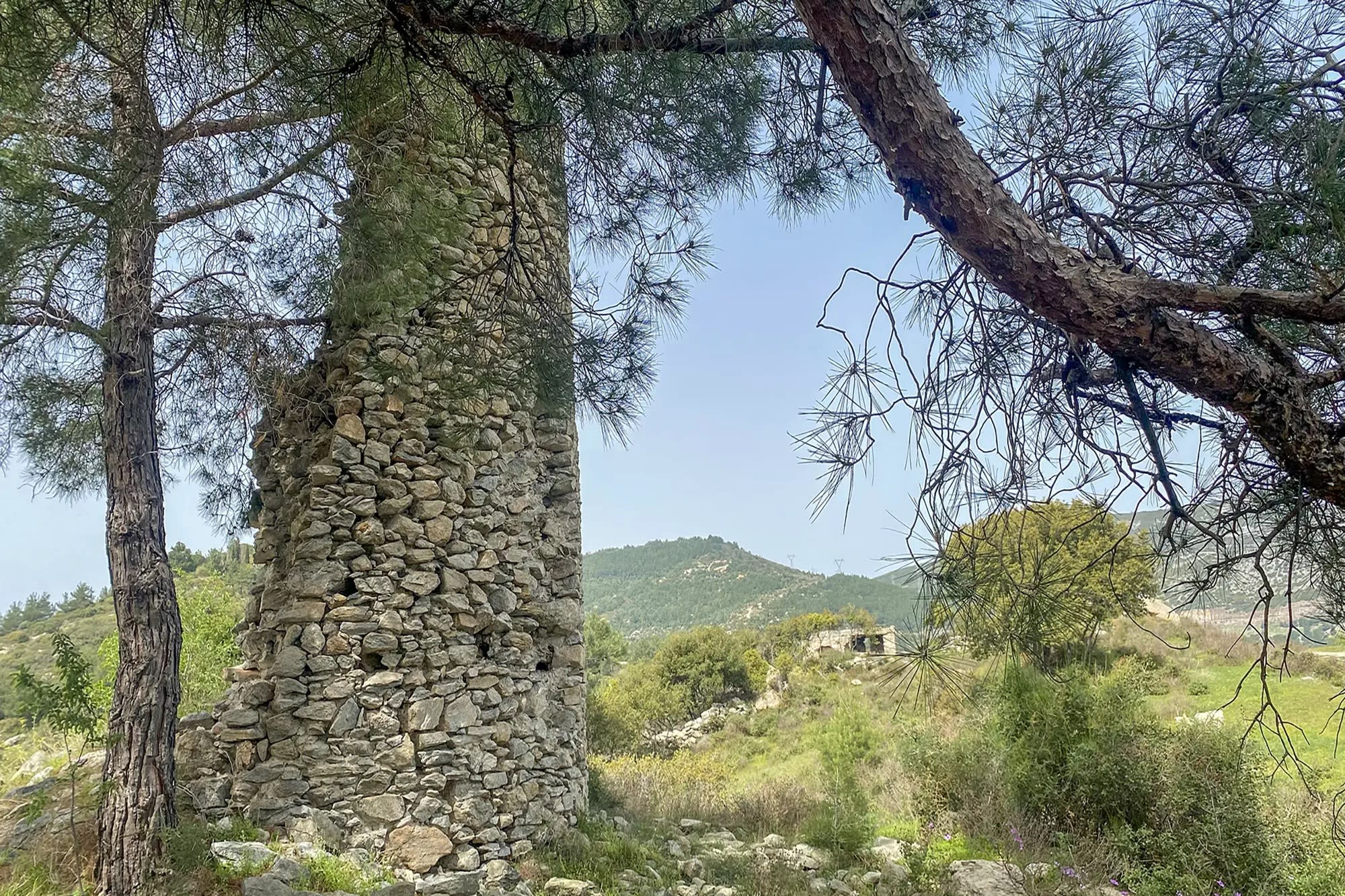
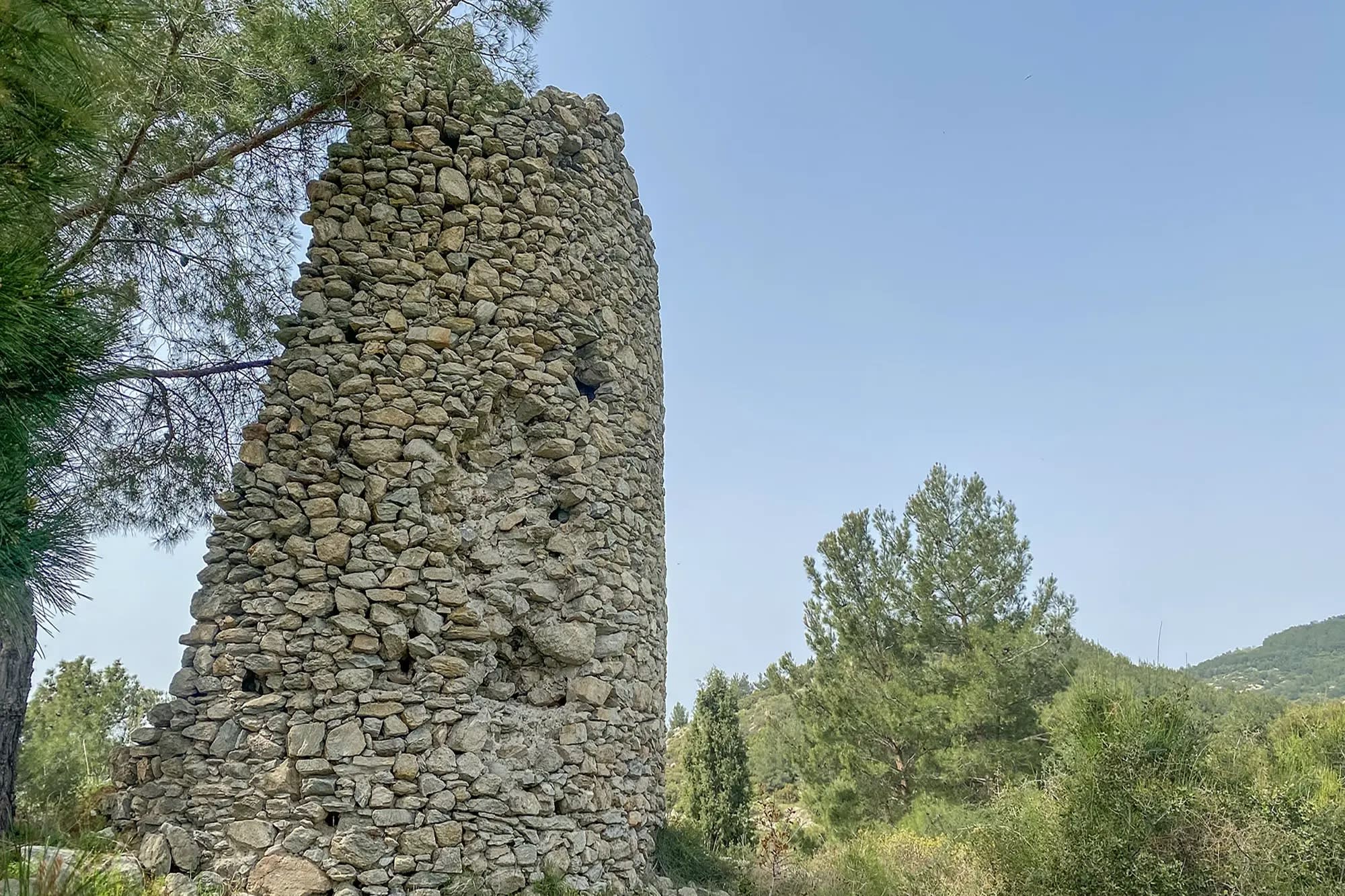
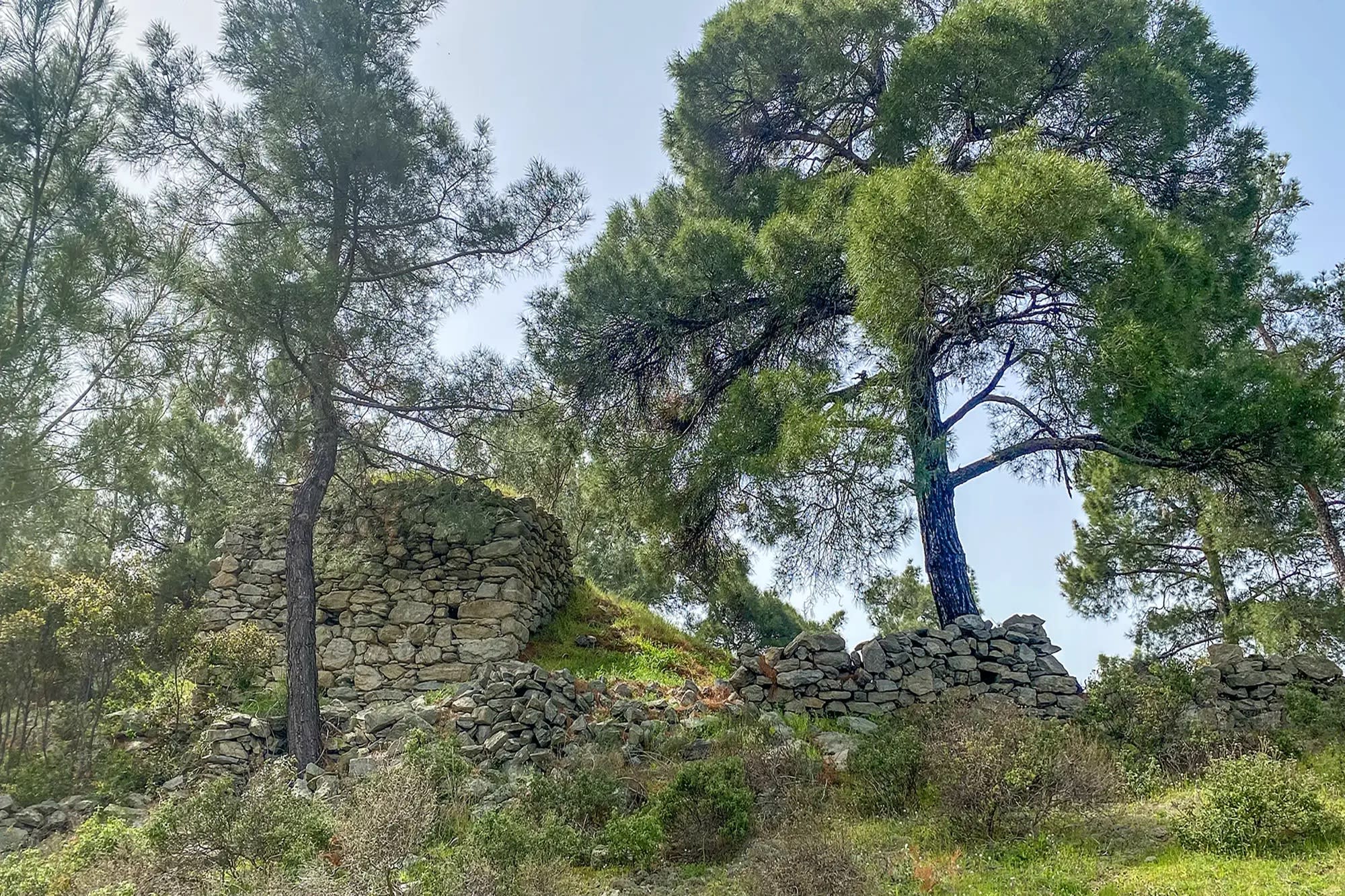
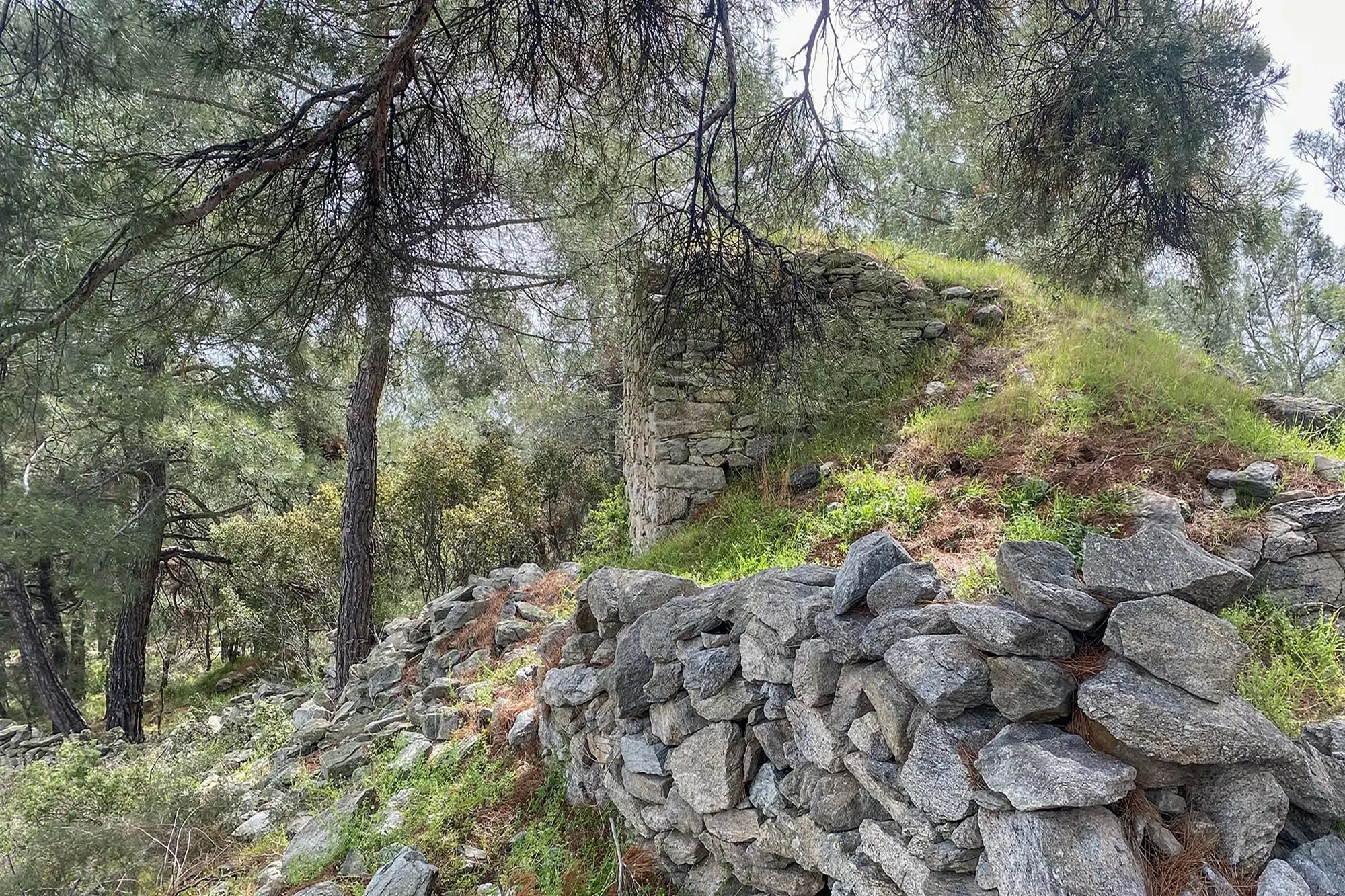
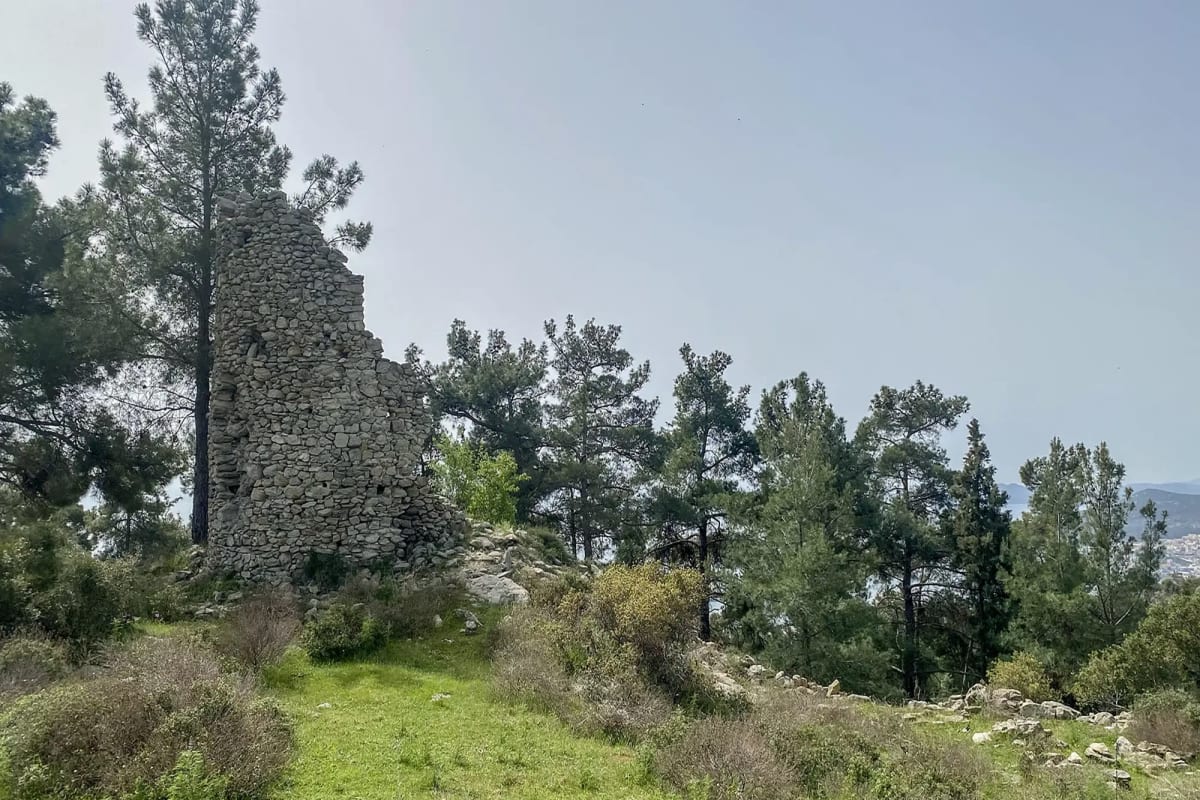
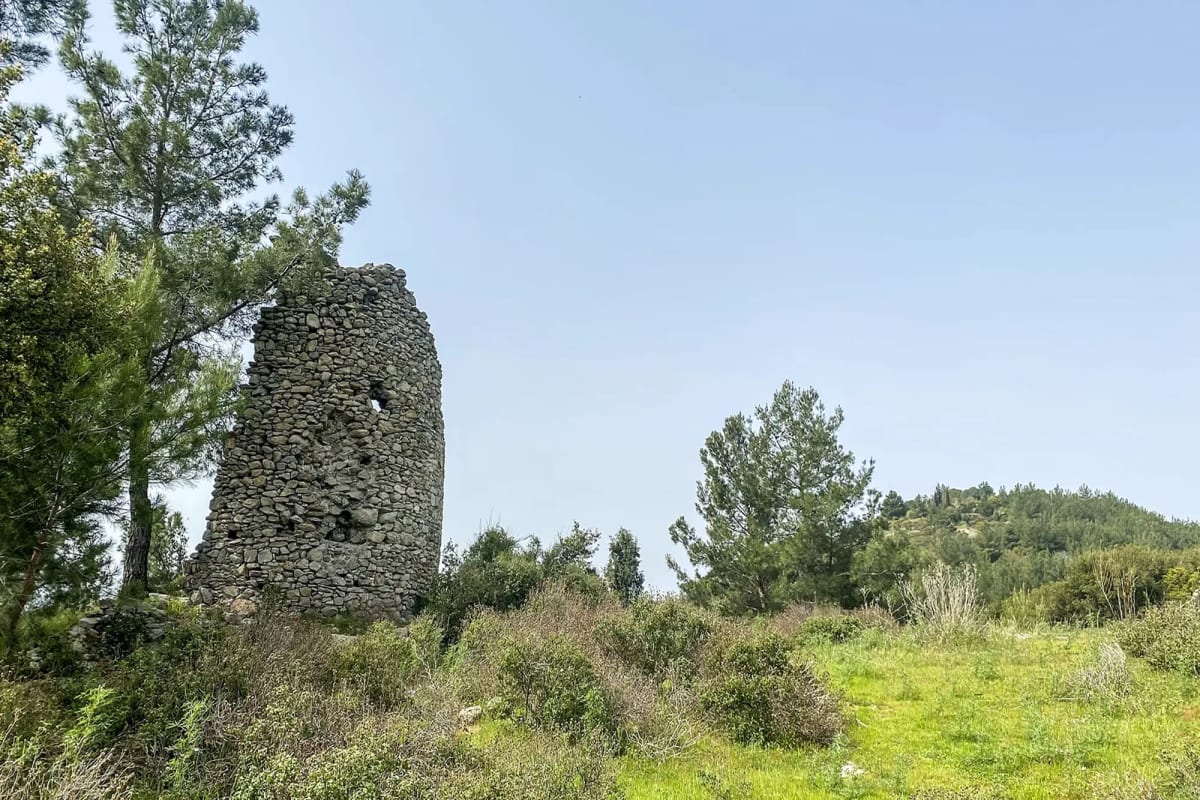
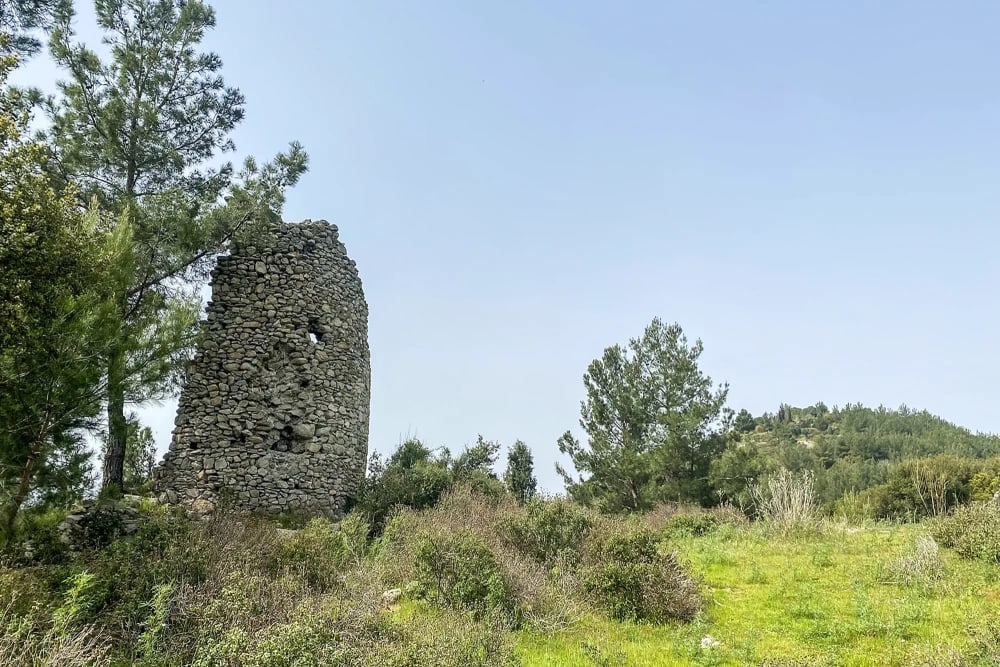
The wall, spanning 1.5 kilometers, functioned as a massive "door" that controlled who passed toward Constantinople, forcing invaders to change their course. Today, the surviving circular tower remains the most vivid sign of this Byzantine "stopper" that altered the flow of movements in the region for centuries.

Why We Love It
Fresh Tips
- You can reach the site very closely by car by following the road starting from the Chorafa district, making access much easier for everyone.
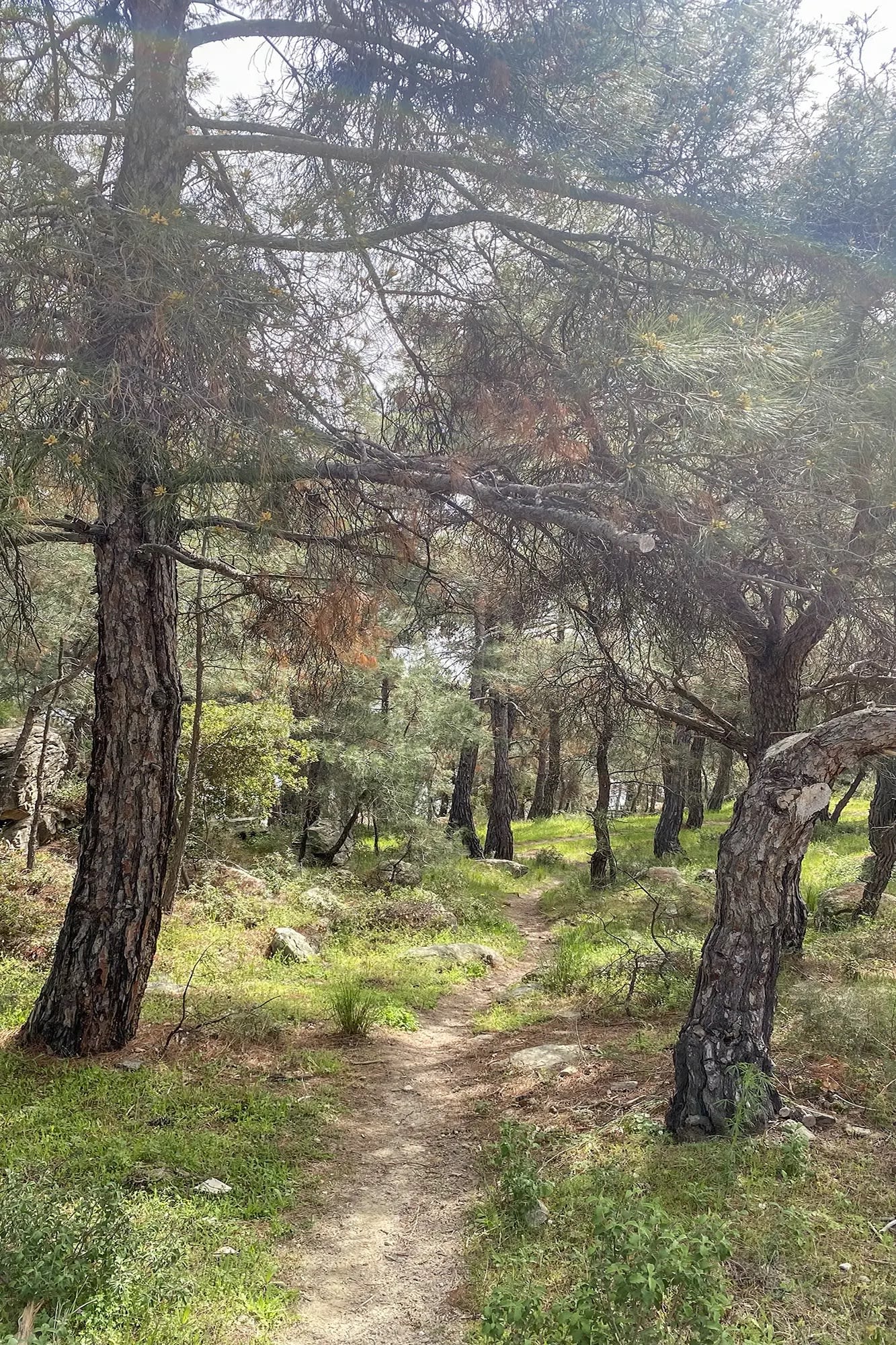
- if you choose to hike, the path from Agios Panteleimon remains a classic and beautiful route.
- The view from the points where the towers survive is breathtaking: you can see all of Thasos and Kavala stretching out beneath you.
- It is the ideal place for those who want to combine a short walk in nature with historical discovery.
- Bring water with you, as up there you will only find the silence of the mountain and the ruins.
- For photography enthusiasts, at dusk the walls take on a golden hue that is magical for shots.
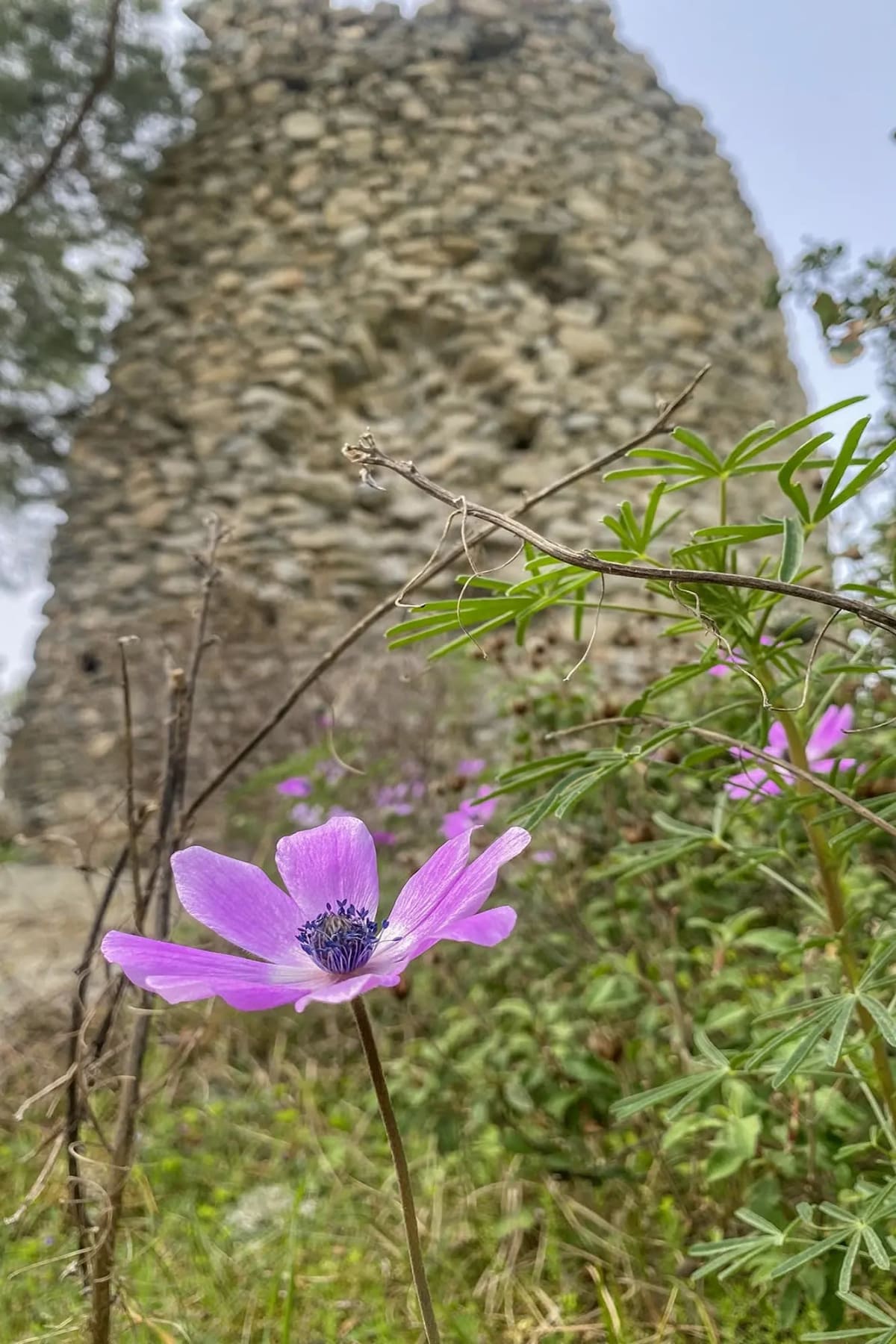
- Look for the circular tower—it is the best-preserved part of the cross-wall and the trademark of the fortification.
Visual Journey