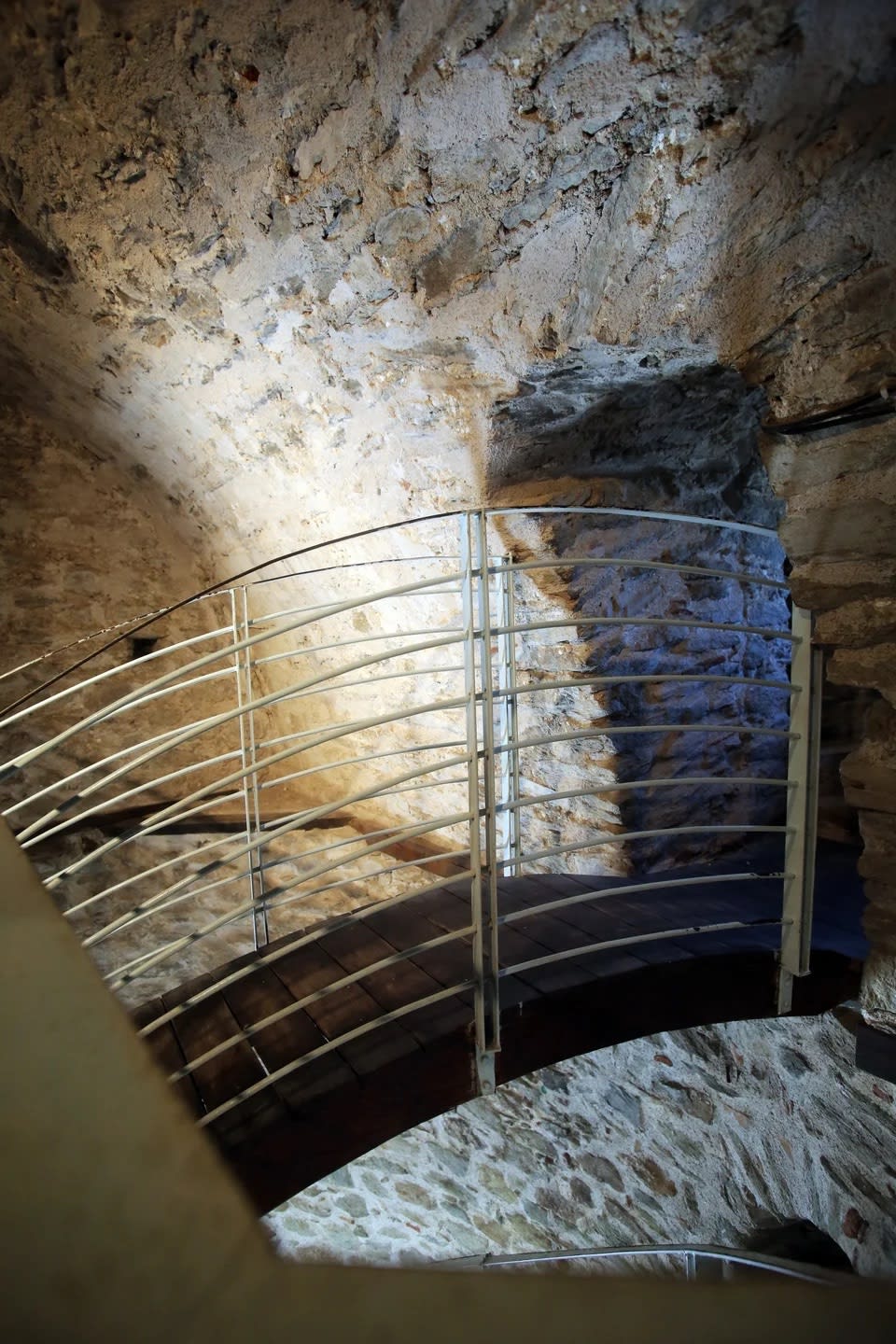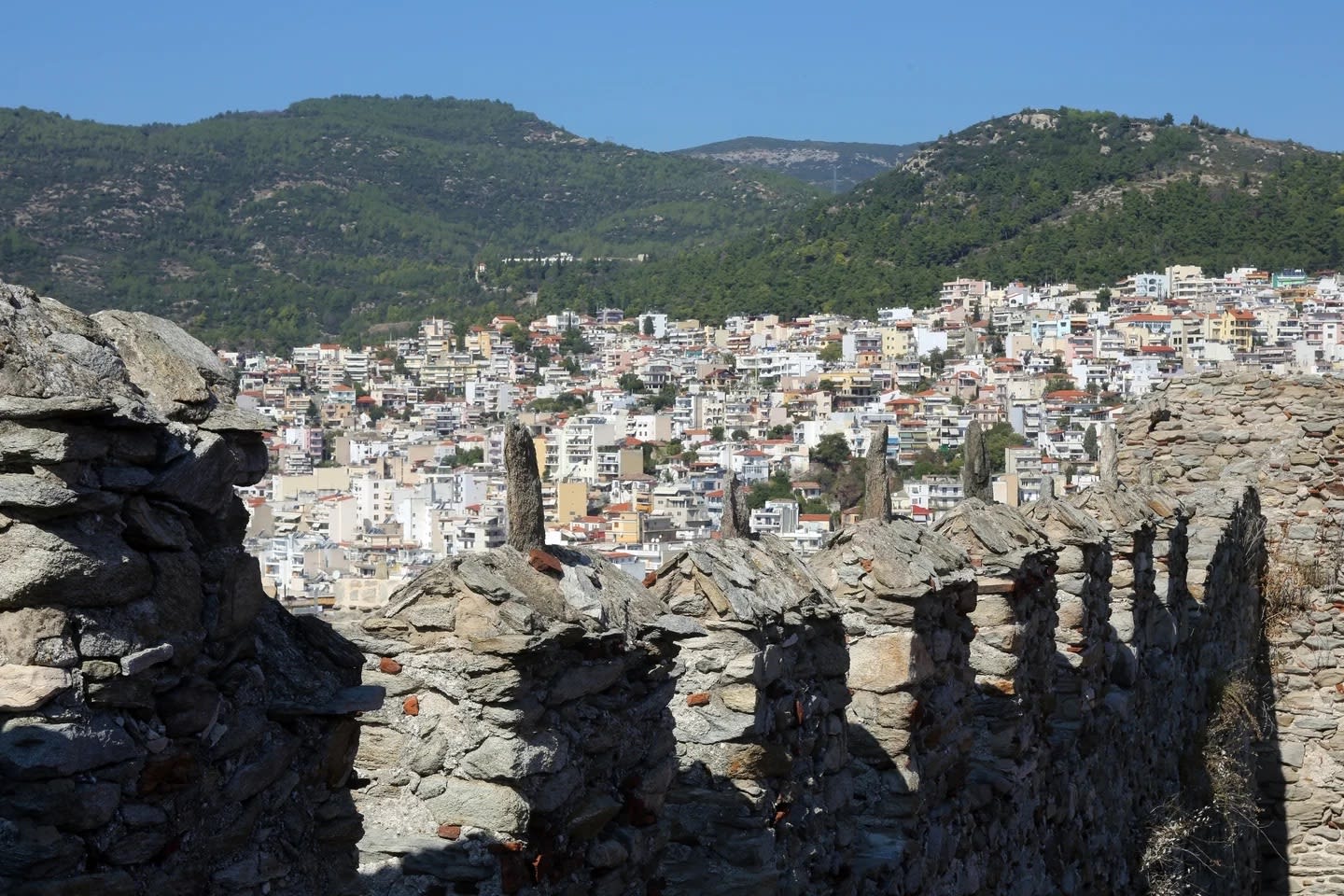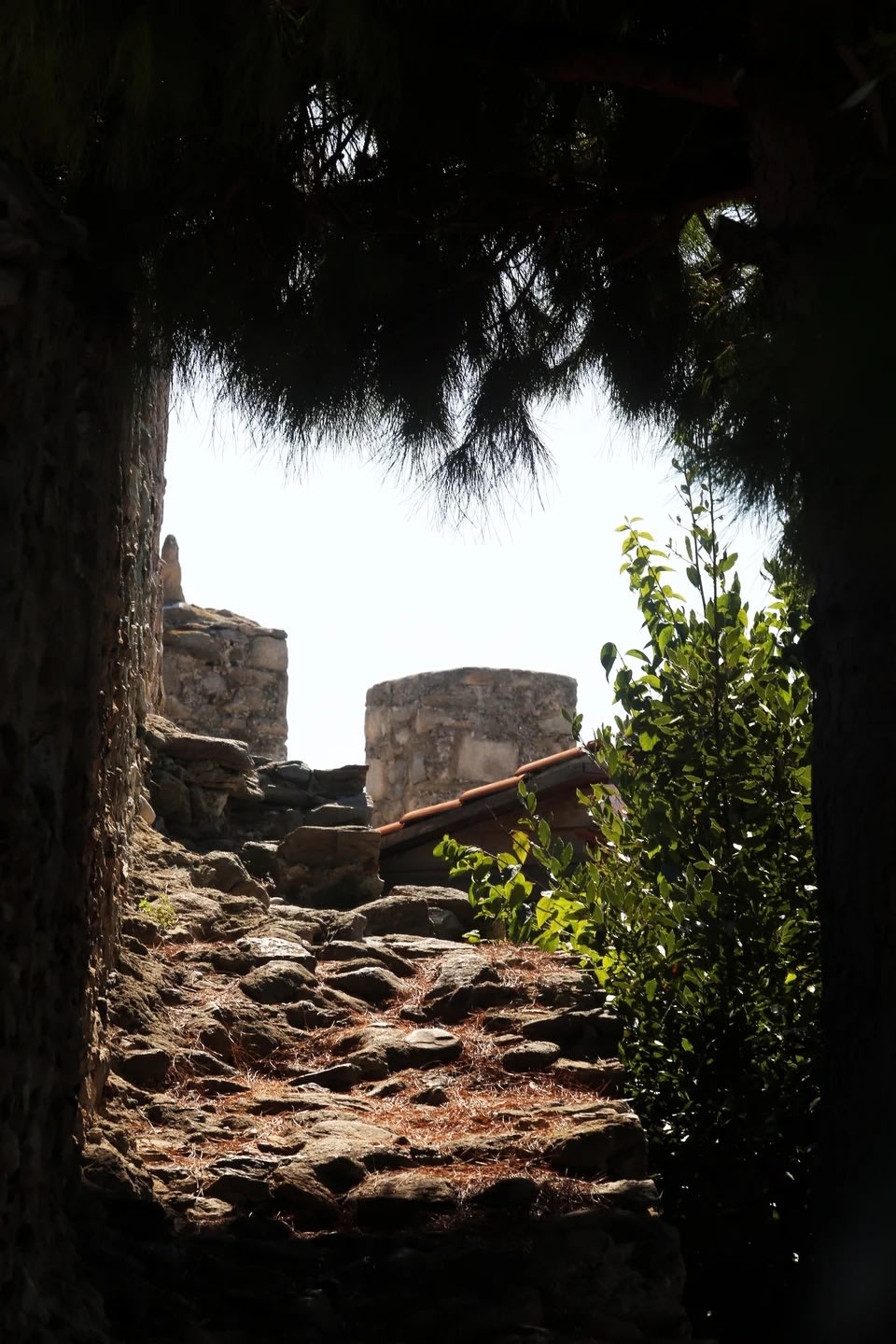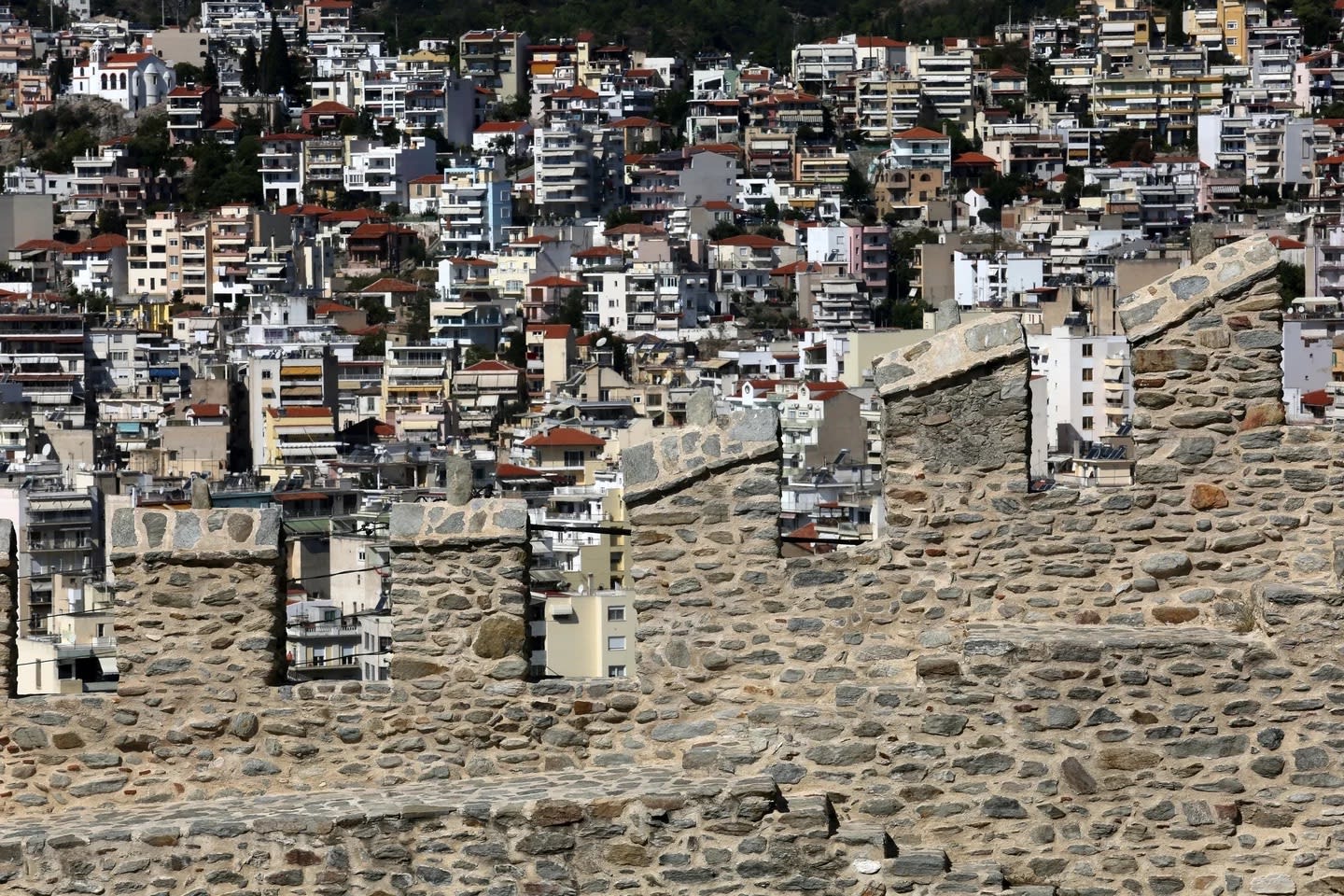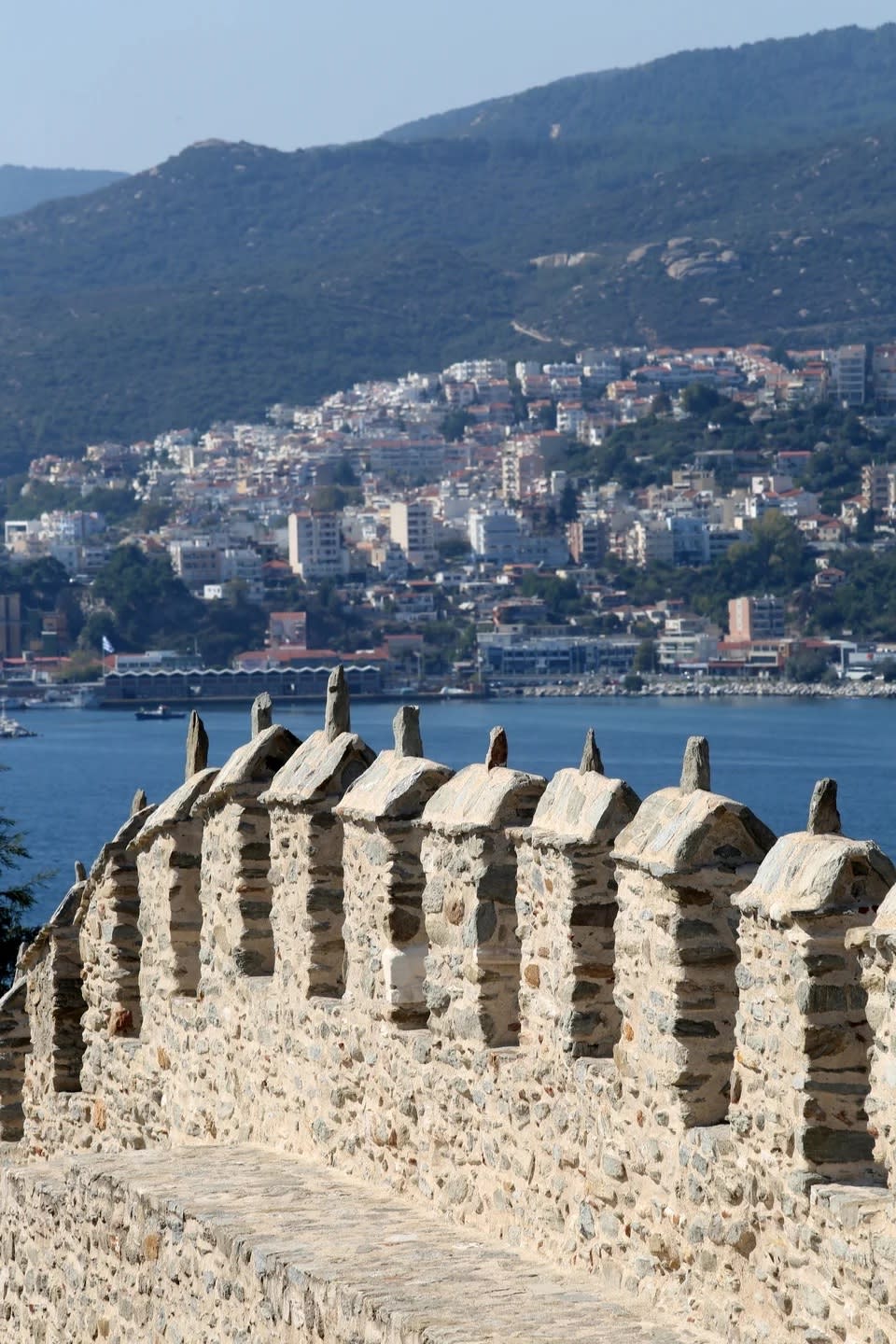

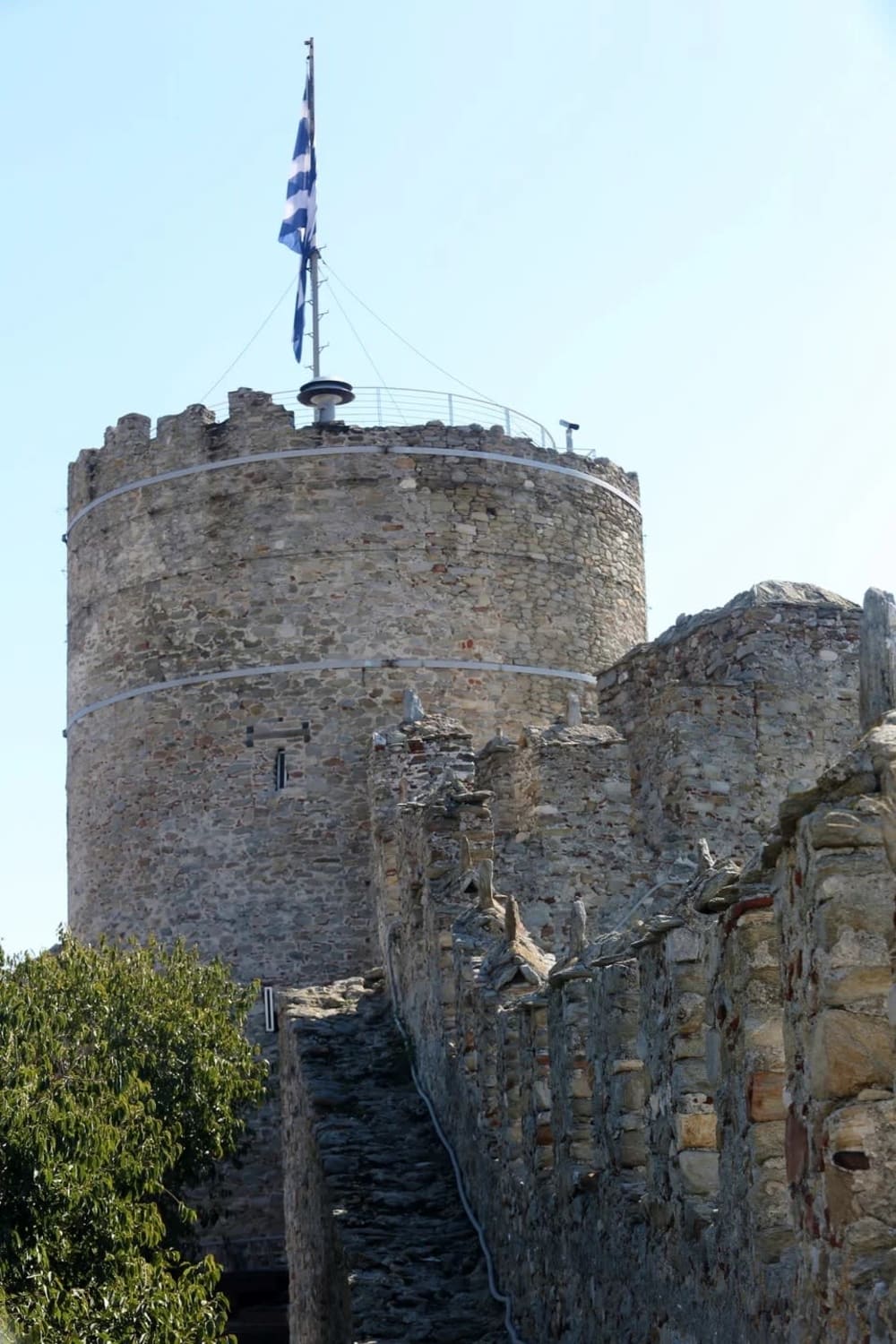
Crowning the peninsula of Panagia, the Castle of Kavala stands as an imposing guardian with a history that spans centuries. Although its current form is mainly owed to the Ottomans who rebuilt it in 1425, the site has been fortified since antiquity, with Byzantine walls having once stood on the same foundations. It is the landmark of the old town and the most impressive attraction in Kavala.
Story Behind It
The history of the fortress is intertwined with the city’s evolution, which has been known by three names (Neapolis, Christoupolis, Kavala) and endured multiple destructions. In 1391, Christoupolis was completely destroyed by the Ottomans and the Venetians.

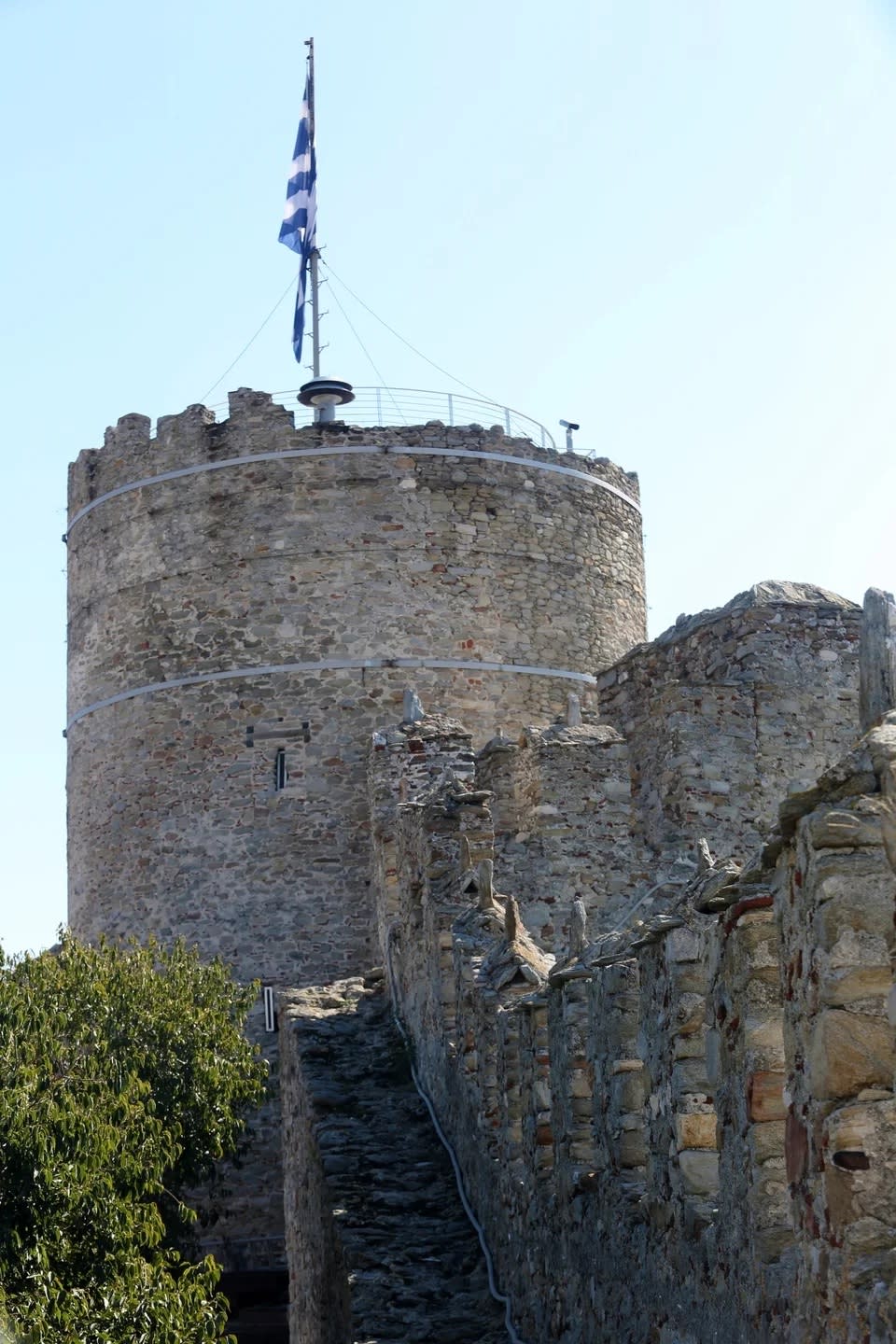
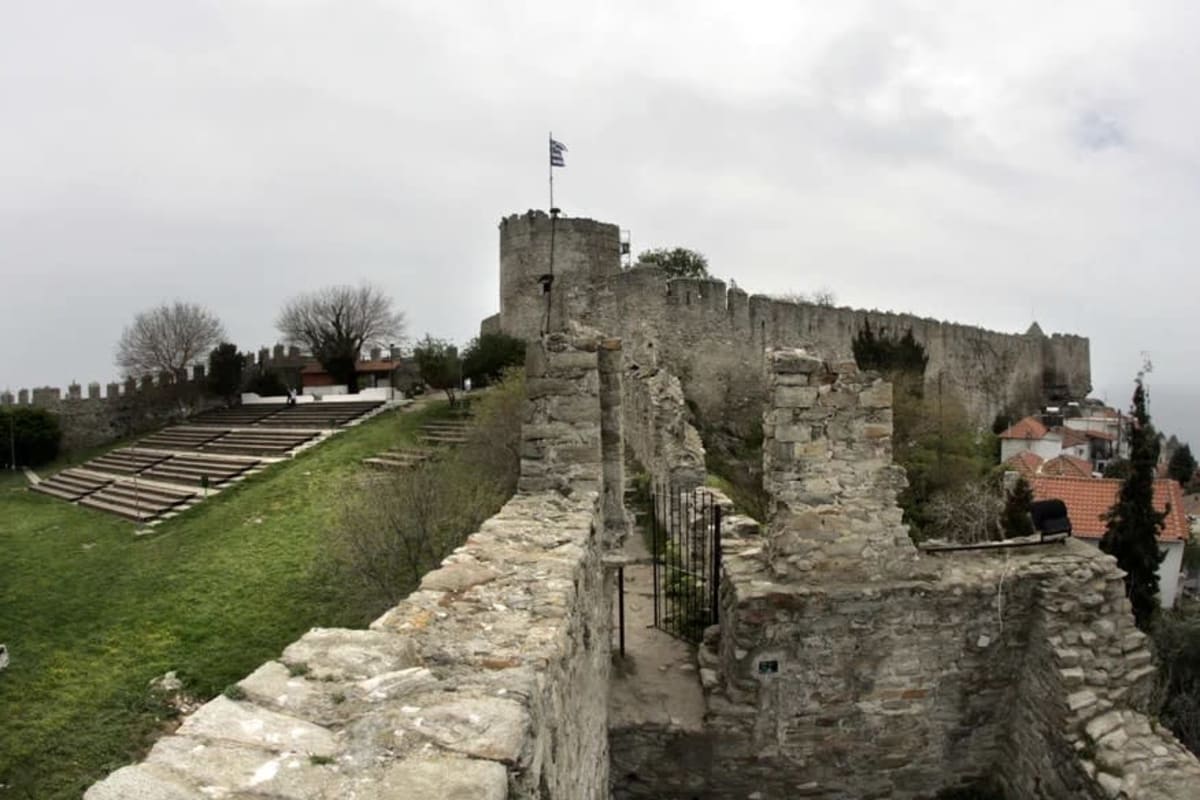
The castle we see today was built from scratch in 1425 and became one of the most important defensive works in the region. Inside, you’ll find the main circular tower, which served as a final defense point, the guardhouse, a water cistern, and a special tower, the “Hyperkalos,” which is the only surviving Byzantine remnant of the original castle.

Why We Love It
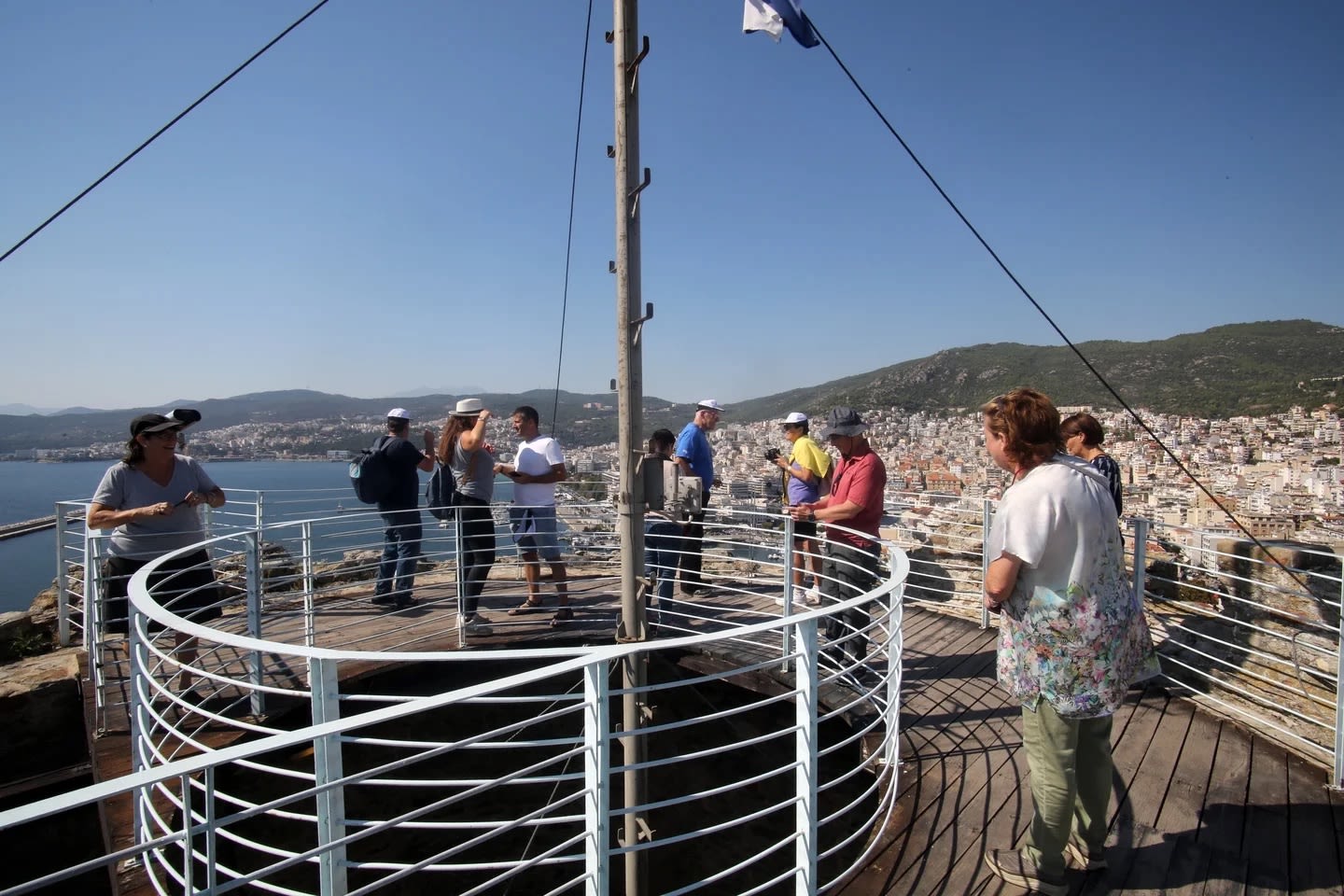
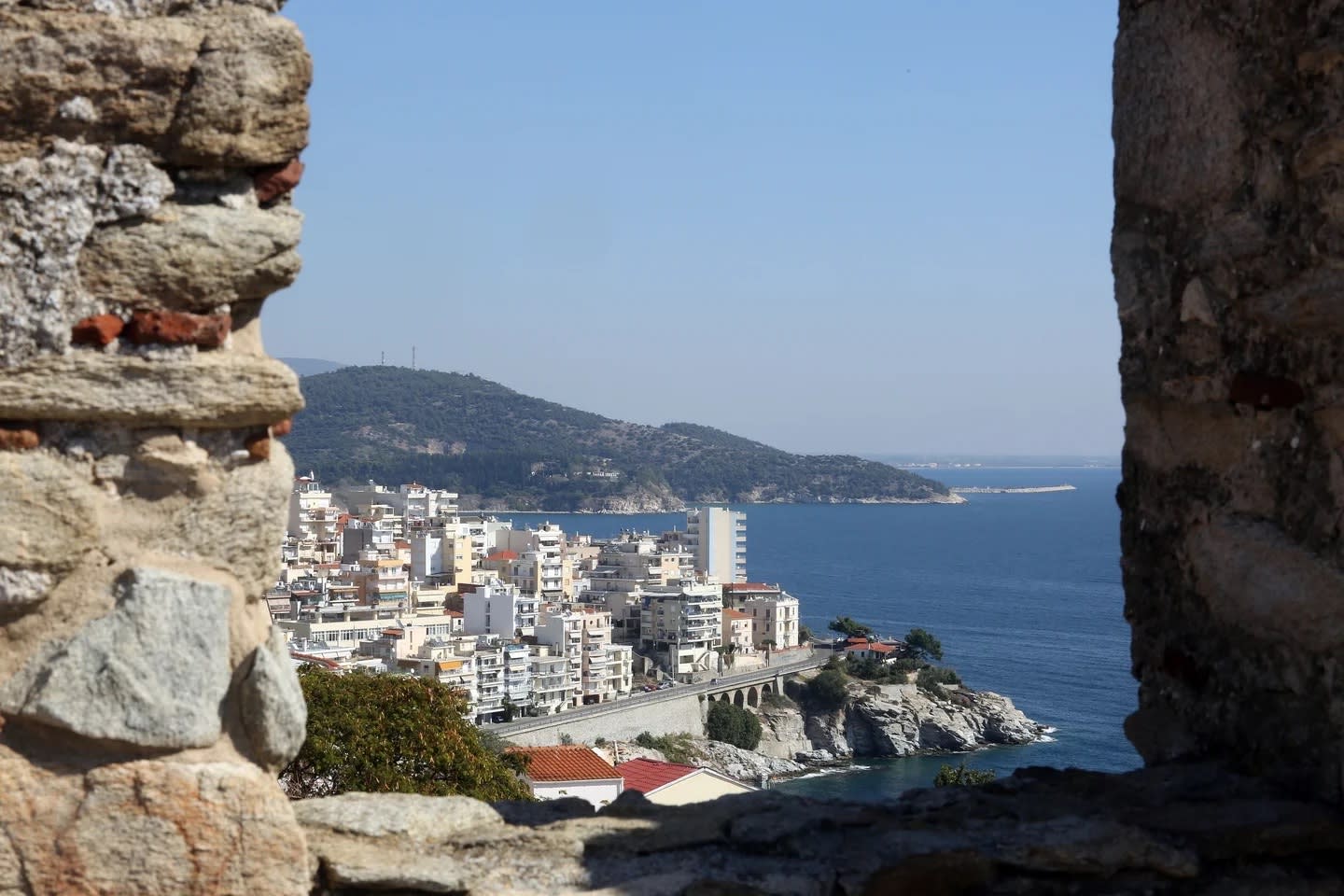
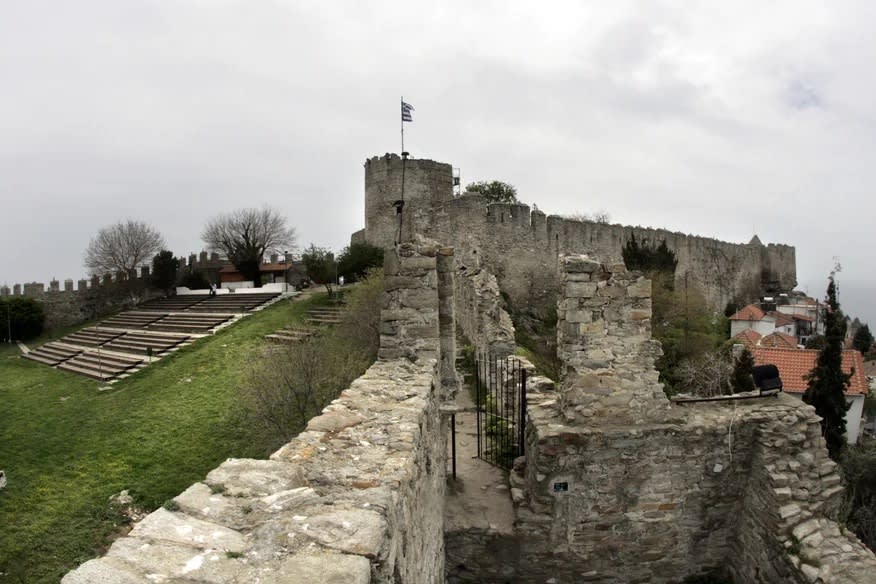
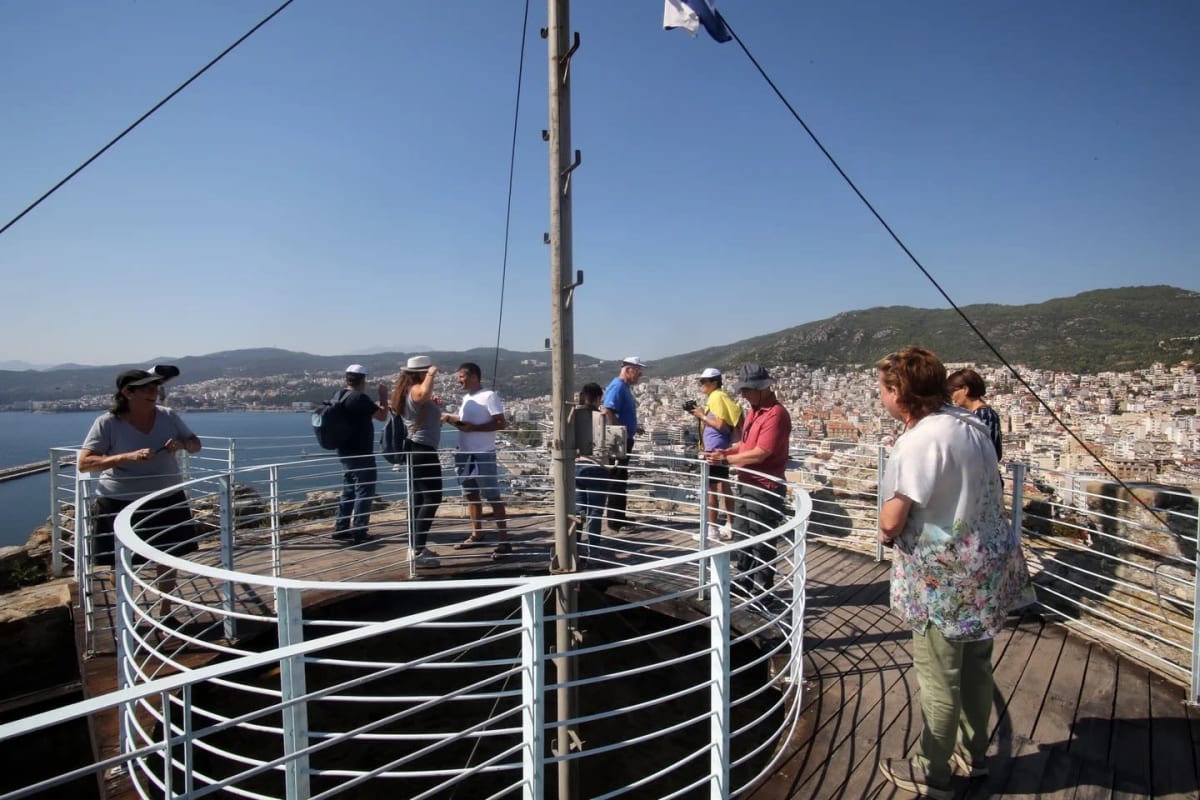
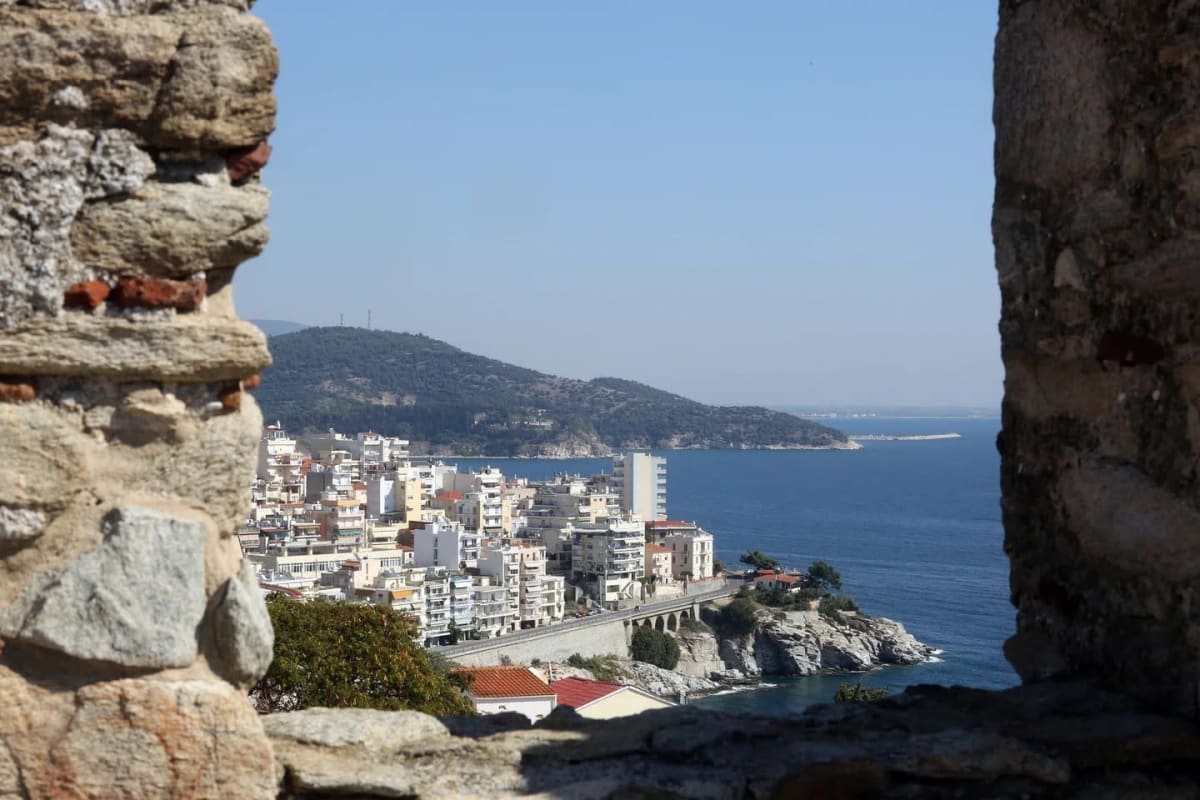
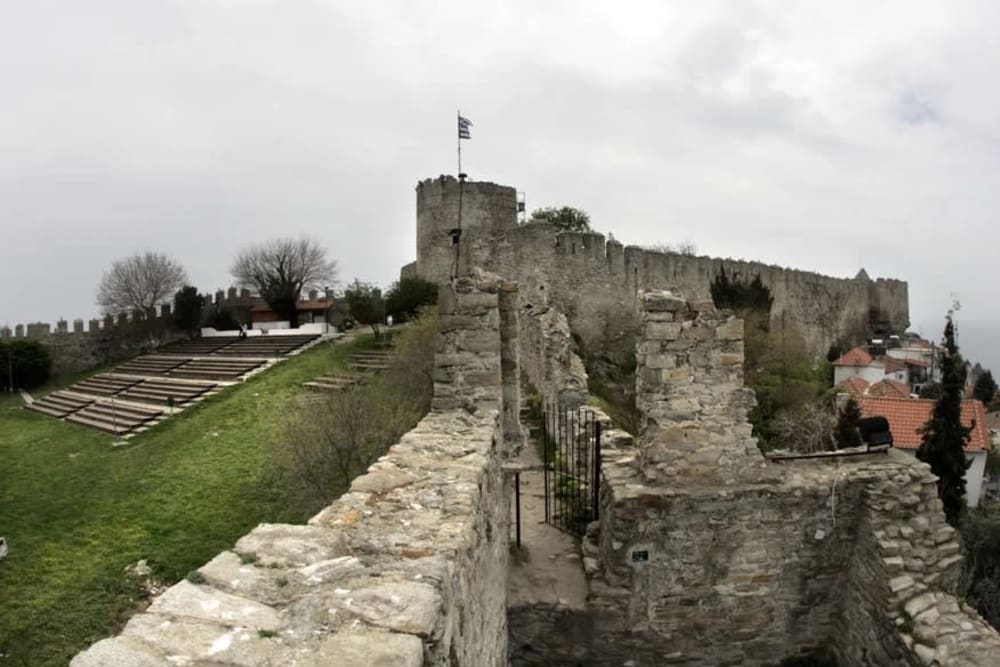
The Castle of Kavala is more than just a monument. It’s a living museum, a place with a breathtaking panoramic view. From the roof of the central tower, the view of the city, the port, the Aqueduct (“Kamares”), and the endless blue sea is simply magical. Furthermore, the open-air theater that hosts summer cultural events breathes life into the space and connects it to the present.
Fresh Tips
- Combine it with the Old Town: The castle is located at the top of the historic Panagia district. It’s worth walking through the picturesque alleys of the old town to get there, discovering the House of Mehmet Ali and the Imaret along the way.
- Access: You can reach the castle on foot by following the uphill route through the old town, or, during the summer months, with the tourist train that takes you close to the entrance.
- Cultural Events: Before your visit, check the schedule of events from the Municipality of Kavala, as it’s very likely you can catch a theatrical performance or concert at the castle.
Visual Journey